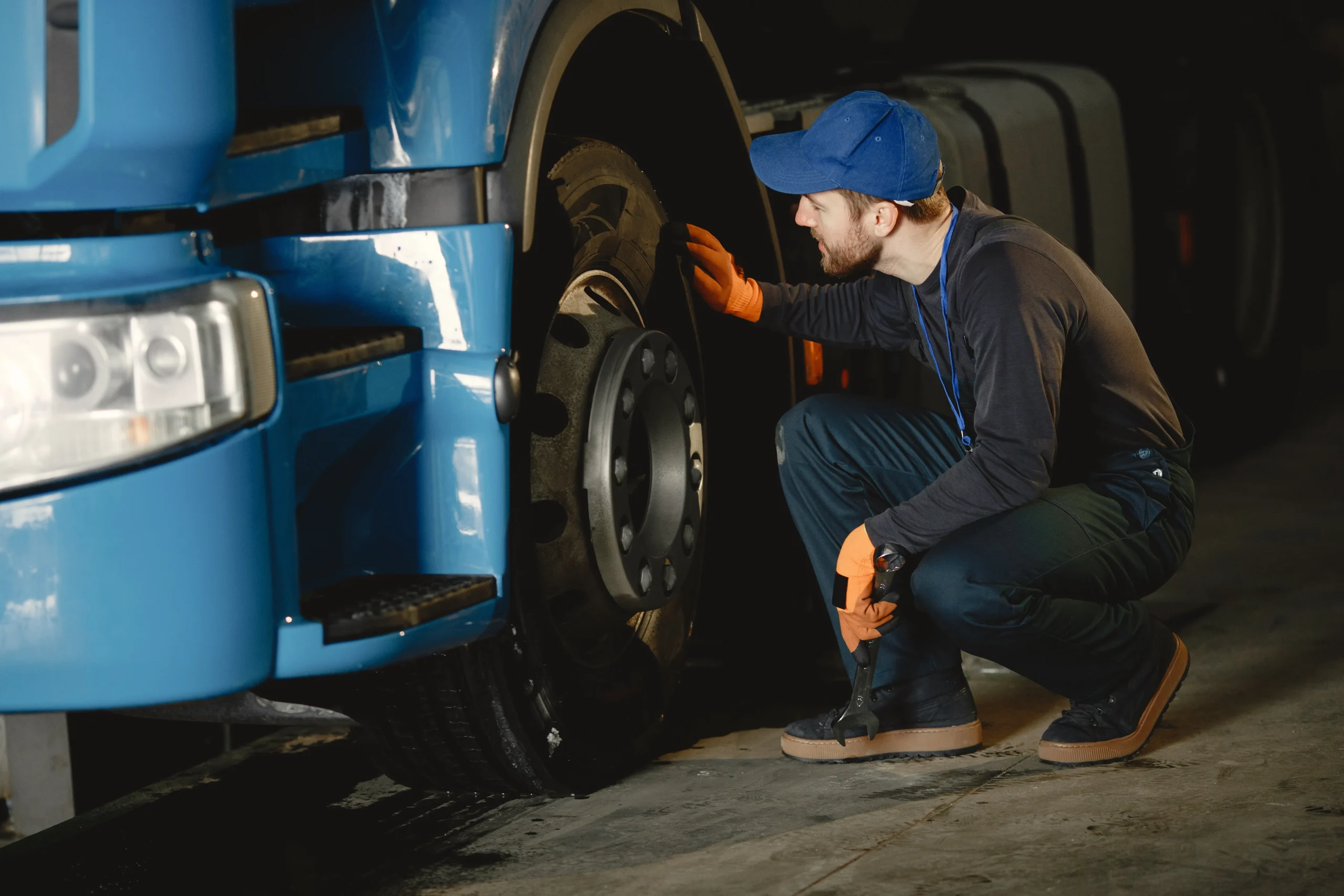
How can fleet operators prevent tyre blowouts and other common issues? It is a question that demands serious attention from anyone responsible for managing a fleet of vehicles. Tyre blowouts are a significant hazard, often causing accidents, delays, and costly repairs. Ensuring that fleet vehicles are equipped with well-maintained tyres is essential for both the safety of drivers and the longevity of the fleet. In this blog, we will explore practical ways fleet operators can avoid tyre blowouts and other common tyre-related problems.
Regular Tyre Inspections: The Key to Preventing Problems
Regular tyre inspections are vital for preventing tyre blowouts and other issues. By proactively checking tyres for wear and tear, operators can catch problems before they become serious.
- Check for Visible Damage: Look for cuts, bulges, or punctures in the tyre sidewalls. These can compromise the tyre’s strength and lead to blowouts.
- Inspect Tyre Tread: Ensure that the tread is not worn down to an unsafe level. Tyres with insufficient tread depth have reduced traction, making them more likely to overheat and fail.
- Monitor Valve Stems: Valve stems can deteriorate over time, leading to air loss. Check for cracks or signs of damage regularly.
By establishing a regular tyre inspection routine, fleet operators can reduce the chances of unexpected tyre failure.
Proper Tyre Inflation: Why It’s Crucial for Fleet Safety
How does proper tyre inflation contribute to preventing blowouts? Under-inflated or over-inflated tyres can cause significant problems, including blowouts. Incorrect tyre pressure affects vehicle handling, fuel efficiency, and tyre longevity.
- Check Pressure Regularly: Use a tyre pressure gauge to ensure that each tyre is inflated to the manufacturer’s recommended pressure levels. This should be done at least once a week and before long trips.
- Monitor for Fluctuations: Extreme weather conditions can cause tyre pressure to fluctuate. Cold temperatures can cause tyre pressure to drop, while hot weather can cause it to rise. Keep an eye on these changes, especially during seasonal transitions.
- Use Tyre Pressure Monitoring Systems (TPMS): Many modern fleets are equipped with TPMS, which alerts drivers to any significant changes in tyre pressure. These systems can be invaluable in preventing blowouts caused by under-inflation.
Maintaining proper tyre inflation is a simple yet effective strategy for keeping fleet tyres in good condition and avoiding common tyre problems.
Rotation and Balancing: Maximising Tyre Life
Tyre rotation and balancing are often overlooked, but they are crucial for prolonging tyre life and preventing premature wear that can lead to blowouts.
- Rotate Tyres Regularly: The weight distribution in vehicles isn’t always even, which can cause uneven tyre wear. Rotating tyres every 8,000 to 10,000 kilometres ensures that all tyres wear evenly, improving safety and performance.
- Balance Tyres: Unbalanced tyres can lead to vibration, uneven wear, and potential blowouts. Regular tyre balancing ensures smoother driving and a longer lifespan for the tyres.
By incorporating tyre rotation and balancing into your fleet’s maintenance schedule, you can extend the lifespan of your tyres and prevent uneven wear that could lead to blowouts.
Monitor Tyre Age: Don’t Overlook Expiry Dates
How old are your fleet’s tyres? Tyres have a lifespan, and using tyres that are too old increases the risk of failure. Over time, the rubber can degrade, leading to cracks and a higher likelihood of blowouts.
- Check the Manufacturing Date: Every tyre has a DOT (Department of Transportation) number, which includes a date code indicating when it was made. Replace tyres that are more than six years old, even if they don’t show obvious signs of wear.
- Inspect for Dry Rot: As tyres age, they may develop dry rot. This occurs when the rubber starts to break down, creating small cracks on the surface. Dry rot weakens the tyre, increasing the risk of blowouts.
By replacing old tyres and adhering to a replacement schedule, fleet operators can ensure the safety and reliability of their vehicles.
Drive Smoothly: Impact of Driving Habits on Tyre Health
Fleet drivers’ habits can significantly impact tyre health. Aggressive driving, such as harsh braking, speeding, and sharp turns, can accelerate tyre wear and lead to failures.
- Encourage Smooth Driving: Train drivers to avoid sudden starts and stops. Maintaining a steady speed and braking gradually reduces stress on the tyres, extending their lifespan.
- Avoid Overloading: Overloading a vehicle places additional pressure on the tyres, causing them to wear out more quickly and increasing the risk of blowouts. Ensure that all vehicles in the fleet are carrying within their weight limits.
By promoting safe and smooth driving practices, fleet operators can reduce tyre-related issues, improve vehicle performance, and cut down on repair costs.
Choose the Right Tyres for the Job
Selecting the right tyres for your fleet is essential for preventing common issues such as blowouts. Not all tyres are created equal, and the wrong tyre for a specific vehicle type or driving condition can lead to problems.
- Consider the Terrain: If your fleet regularly operates in off-road conditions or harsh environments, select tyres that are designed for such conditions. For example, all-terrain tyres are ideal for rugged terrain, while highway tyres are better suited for smooth road surfaces.
- Evaluate Load Ratings: Ensure that the tyres selected for your fleet can handle the weight of the vehicles, including any cargo. Under-rated tyres can overheat and fail under heavy loads.
By carefully selecting tyres based on the fleet’s needs, operators can significantly reduce the likelihood of tyre issues, including blowouts.
Track Tyre Performance with Technology
Modern technology can be a powerful tool in tyre management. Several software solutions and tracking systems allow fleet operators to monitor tyre performance, helping them to spot potential problems before they escalate.
- Use Fleet Management Software: Many fleet management systems now include tyre monitoring features. These systems can track tyre pressure, tread wear, and other key performance metrics, providing real-time data to help operators make informed decisions about tyre maintenance.
- Implement GPS Tracking: GPS tracking can help fleet operators monitor how vehicles are being driven. Excessive speeding, rapid acceleration, and hard braking are all signs of poor driving habits that can damage tyres. Tracking this data allows for better driver training and maintenance planning.
By leveraging technology to track tyre performance and driver behaviour, fleet operators can stay ahead of potential tyre issues and prevent costly blowouts.
Conclusion
In conclusion, preventing tyre blowouts and other common tyre issues requires a proactive approach. Fleet operators should prioritise regular tyre inspections, maintain proper inflation levels, rotate and balance tyres, and replace aged tyres. Additionally, smooth driving habits, careful tyre selection, and the use of technology can further enhance tyre health and safety.
For more information on how to keep your fleet running smoothly and prevent tyre-related issues, don’t hesitate to contact us today.
You can also visit our Facebook for updates, tips, and more fleet maintenance advice.