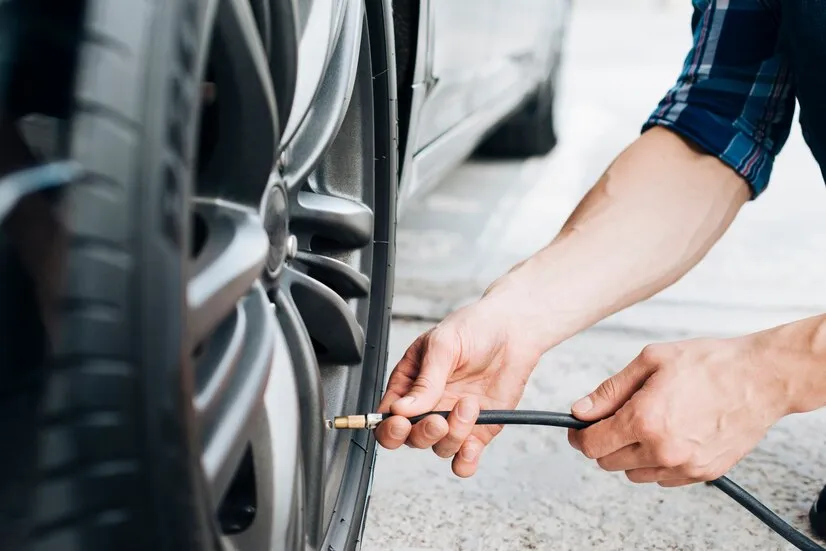
Does tyre pressure affect fuel efficiency? Absolutely – and more than most drivers realise. Maintaining the correct tyre pressure can significantly reduce fuel consumption, extend the life of your tyres, and improve overall vehicle safety. For South African motorists facing rising fuel prices and long commutes, every bit of savings counts. Let’s explore how proper tyre inflation plays a critical role in your car’s fuel economy and what you can do to keep things running efficiently.
Why Correct Tyre Pressure Matters
The pressure inside your tyres directly impacts how your vehicle handles the road. Under-inflated or over-inflated tyres can create unnecessary resistance, causing your car to work harder and burn more fuel. In contrast, tyres with optimal pressure reduce rolling resistance and improve fuel efficiency.
Here’s what happens with poor tyre pressure:
- Under-inflated tyres increase friction, which forces your engine to use more fuel.
- Over-inflated tyres reduce grip and wear unevenly, decreasing control and comfort.
- Consistent under-inflation can decrease fuel efficiency by up to 3% or more.
For fleet operators or regular commuters, that 3% can translate into thousands of Rands per year in extra fuel costs. Proper inflation isn’t just good for your tyres – it’s essential for your wallet.
How Tyre Pressure Influences Rolling Resistance
Rolling resistance is the force required to keep your tyres moving. The higher the resistance, the more effort your engine has to put in. Tyres that are even slightly under-inflated create more surface area contact with the road, increasing drag and reducing efficiency.
Here’s how tyre pressure impacts rolling resistance:
- Lower pressure = more rolling resistance = higher fuel consumption.
- Optimal pressure = less resistance = better mileage and smoother handling.
This relationship between tyre pressure and resistance makes it crucial to check your inflation levels regularly. Vehicles that are properly maintained can gain up to 10% better fuel efficiency, simply by having correctly inflated tyres. That’s a serious saving over time, especially when fuel prices fluctuate.
How Often Should You Check Your Tyre Pressure?
Most drivers check their tyre pressure only when a dashboard warning light appears – or worse, when a tyre looks visibly deflated. This reactive approach can cost you in the long run. Regular checks keep you in control and maximise fuel efficiency.
Best practice for checking tyre pressure:
- Check monthly – or before long trips.
- Always check when tyres are cold, ideally first thing in the morning.
- Use a reliable tyre pressure gauge or visit a service centre.
- Compare with the manufacturer’s recommended PSI (usually found in the driver’s door or manual).
Don’t forget the spare! A properly inflated spare tyre can save you from being stranded and help avoid fuel-wasting emergency towing services.
Other Benefits of Proper Tyre Pressure
Aside from saving fuel, keeping your tyres properly inflated offers a range of additional advantages – all of which improve your overall driving experience and reduce long-term costs.
Benefits include:
- Extended tyre lifespan – Tyres wear evenly and last longer.
- Better safety – Improved handling, braking, and stability.
- Lower CO₂ emissions – Less fuel used = fewer emissions.
- Smoother ride – Optimal air pressure ensures better shock absorption.
These perks make regular tyre checks one of the simplest yet most impactful maintenance tasks for South African drivers. It’s also a smart way to reduce environmental impact without any extra effort.
The Ideal Tyre Pressure for South African Vehicles
There’s no universal ‘perfect pressure’ for all vehicles – it varies based on the make, model, load, and even driving conditions. However, most passenger vehicles in South Africa operate optimally between 30 to 35 PSI (pounds per square inch).
To find the correct pressure for your car:
- Check the sticker inside the driver’s door or fuel flap.
- Refer to the owner’s manual.
- Ask a professional technician at Frontier Tyres for advice.
Remember that temperature affects tyre pressure too – tyres lose around 1 PSI for every 5°C drop in temperature. That’s especially important during seasonal changes or long drives through varying terrains like the Garden Route or Karoo.
Fuel Efficiency Tips Beyond Tyre Pressure
While tyre pressure plays a leading role, combining it with other fuel-saving habits maximises results. Here’s how to stretch your tank even further:
- Drive smoothly – Avoid harsh acceleration and braking.
- Lighten the load – Remove unnecessary weight from the vehicle.
- Stick to speed limits – Driving at moderate speeds saves fuel.
- Service your car regularly – Clean air filters and tuned engines are more efficient.
- Use quality tyres – High-performance or fuel-efficient tyre brands can further reduce consumption.
When all these factors work together – starting with the right tyre pressure – your car becomes noticeably more economical.
Let Frontier Tyres Keep You on Track
At Frontier Tyres, we’re committed to helping South African motorists save fuel, improve safety, and enjoy peace of mind on the road. Our tyre specialists offer free tyre pressure checks, expert advice, and top-tier tyre brands tailored for local conditions.
If you’re not sure about your current tyre pressure or would like a professional inspection, we’re here to help.
Contact us today: https://frontiertyres.co.za/contact-us
Visit our Facebook: https://www.facebook.com/frontiertyressa